As has frequently been the case on this trip, we were sad to leave the Iberá Wetlands but looking forward to our next stop – the famous Iguazu/Iguaçu Falls. We were not only looking forward to seeing the falls themselves, but also reaching the hugely biodiverse Atlantic rainforest. And, of course, we were excited to reach the third country on our trip – Brazil!
Iguassu Falls Eco Hostel
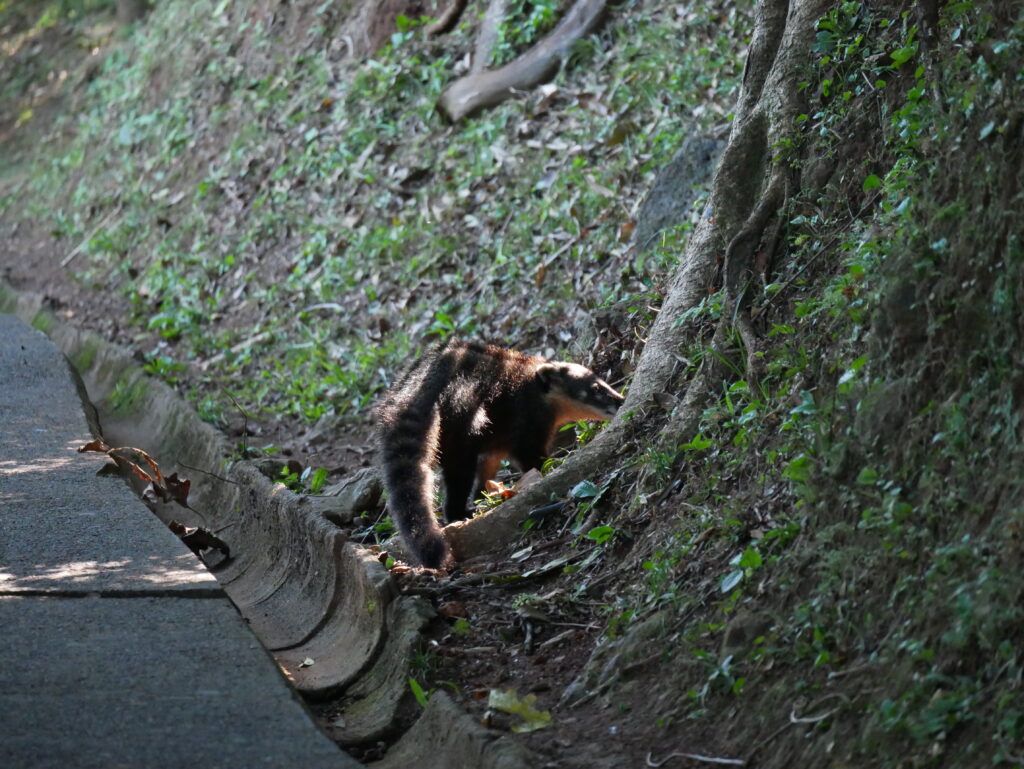
We rarely stay at paid campspots, preferring to find free wild park-ups wherever possible. However, our friends @cleanbavarian, highly recommended we stay at the campsite at Iguassu Eco Hostel to experience the wildlife that can be seen there. We of course followed their advice and were very grateful that we did. Almost as soon as we arrived at the campsite we spotted a band of South American coatis, our first time seeing these cute, charismatic mammals on this trip. They were confidently roaming about the campsite, eating fruit from the trees and breaking into the poorly barricaded bin store! They made us chuckle!
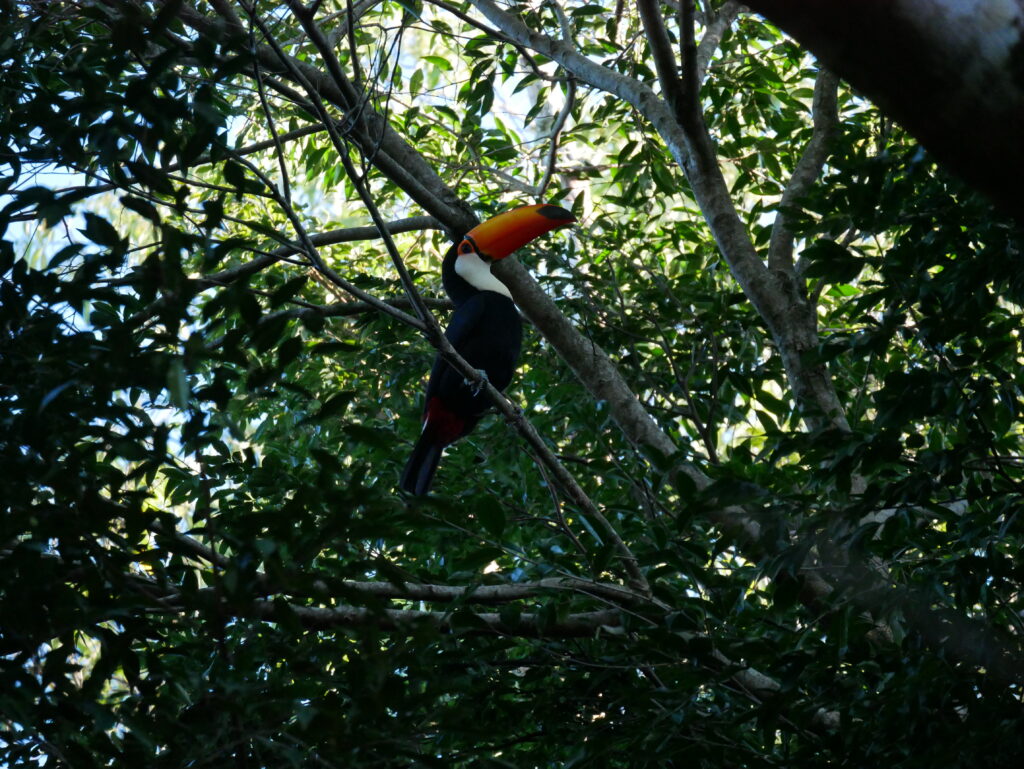
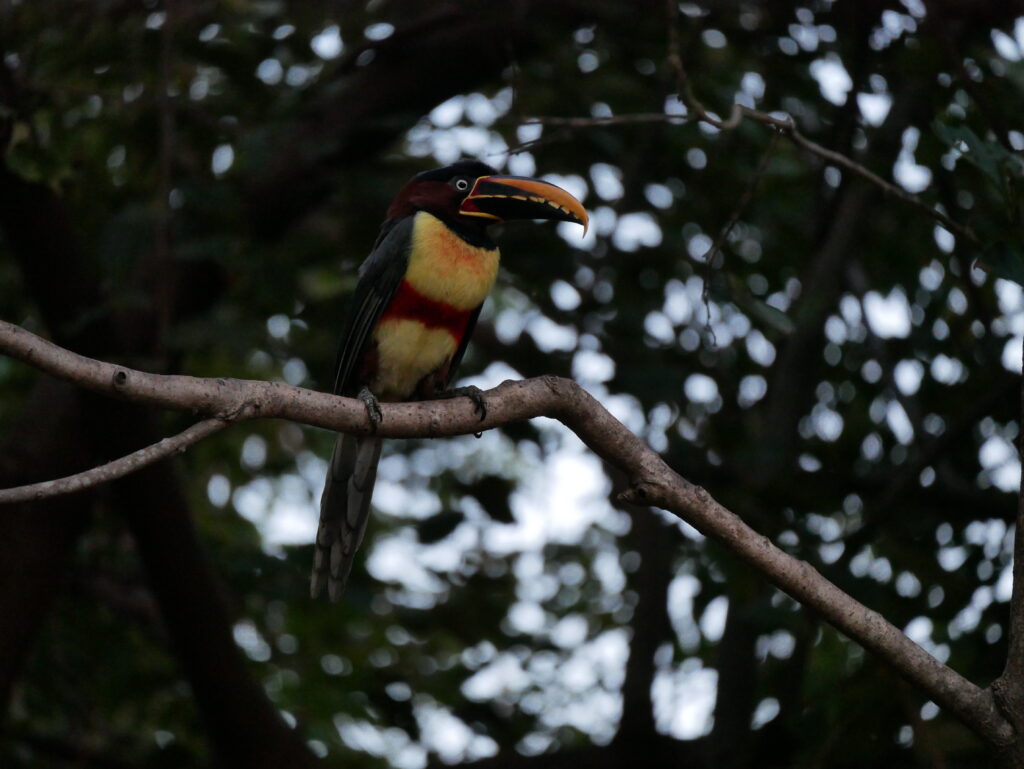
That same evening we were sitting outside enjoying a beer for the equivalent of just 80p (a welcome change from Argentinian prices!), when we heard the croak-like sound of a toucan in a tree nearby. Heading over to take a look, we found a stunning toco toucan and a pair of equally beautiful chestnut-eared aracaris! We felt very grateful that they decided to stop by and let us us know of their presence.
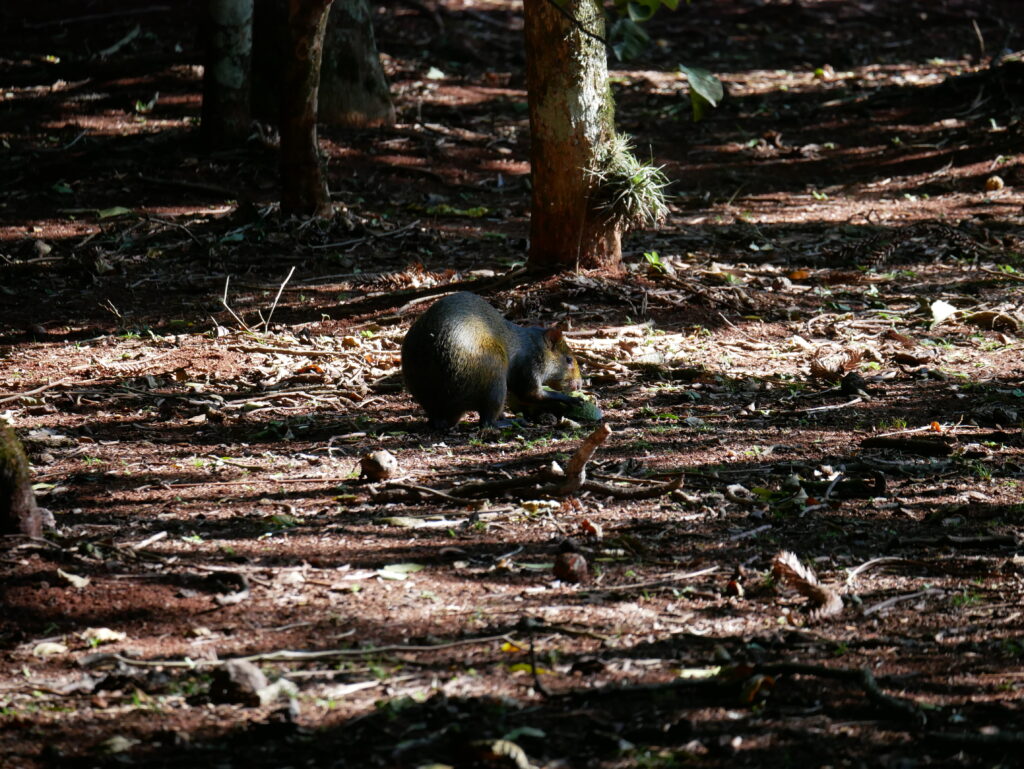
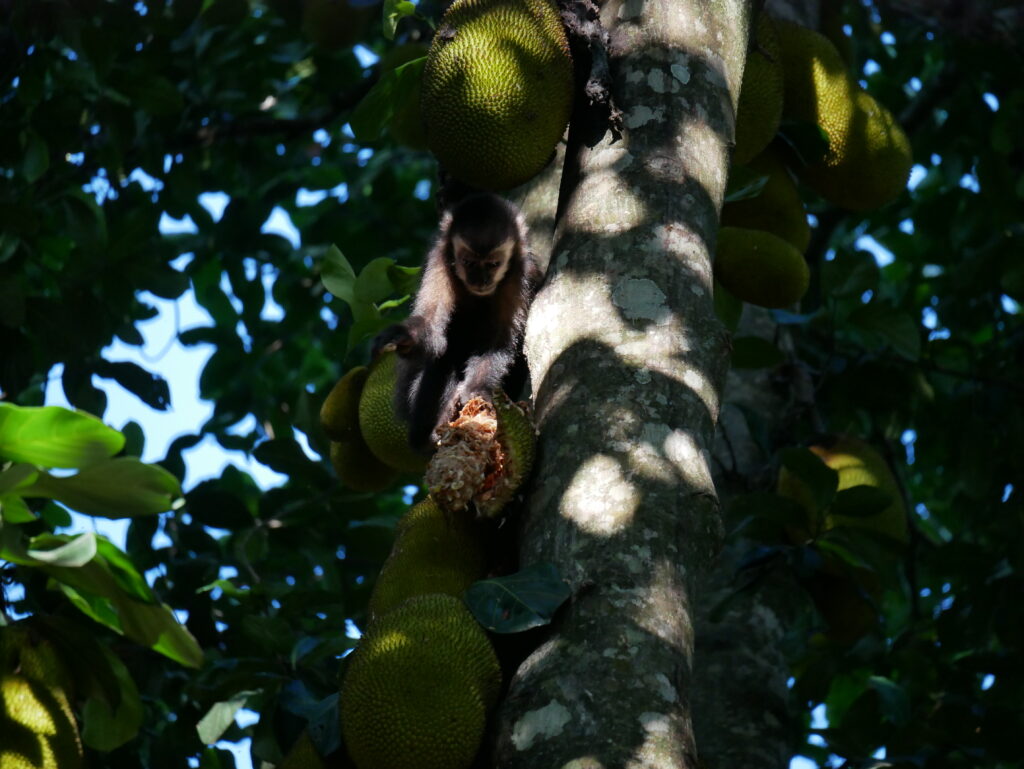
The next morning we walked over to the hostel for some breakfast and found a troop of tufted capuchin monkeys noisily feasting in a large jackfruit tree. Although there were plenty of fruit to go around, the monkeys still seemed to find something to argue about! As a result of their bickering, some of the jackfruit fell to the ground (we quickly learnt not to stand directly under the tree!), providing food other cute and charismatic residents of the campsite – Central American agoutis.
We stayed two nights at the campsite, and along with the aforementioned mammals and birds, we also saw plush-crested jays, red-rumped caciques, scaly-headed parakeets, pale-breasted thrushes and boat-billed flycatchers. We also heard a rufous-capped motmot and white-tipped doves but were not lucky enough to spot them.
The falls
Not only does the hostel boast an excellent variety of wildlife, it is also within walking distance of the entrance to Iguaçu Falls. So, after breakfast we walked over, bought our tickets and hopped on one of the open-top double-decker buses that takes visitors from the entrance to the waterfalls. From the bus we spotted a southern red brocket deer crossing the road. The buses travel very slowly (to protect the wildlife) and so the journey took around 20 minutes to reach the start of the ‘Trilha das Cataratas’ or the ‘Falls Trail’. The trail was around 1.5 km in length, with panoramic views of the falls along the way. Also, along the way were some rather chunky and very bold coatis, one of which we witnessed stealing a bag of popcorn from an unsuspecting tourist!
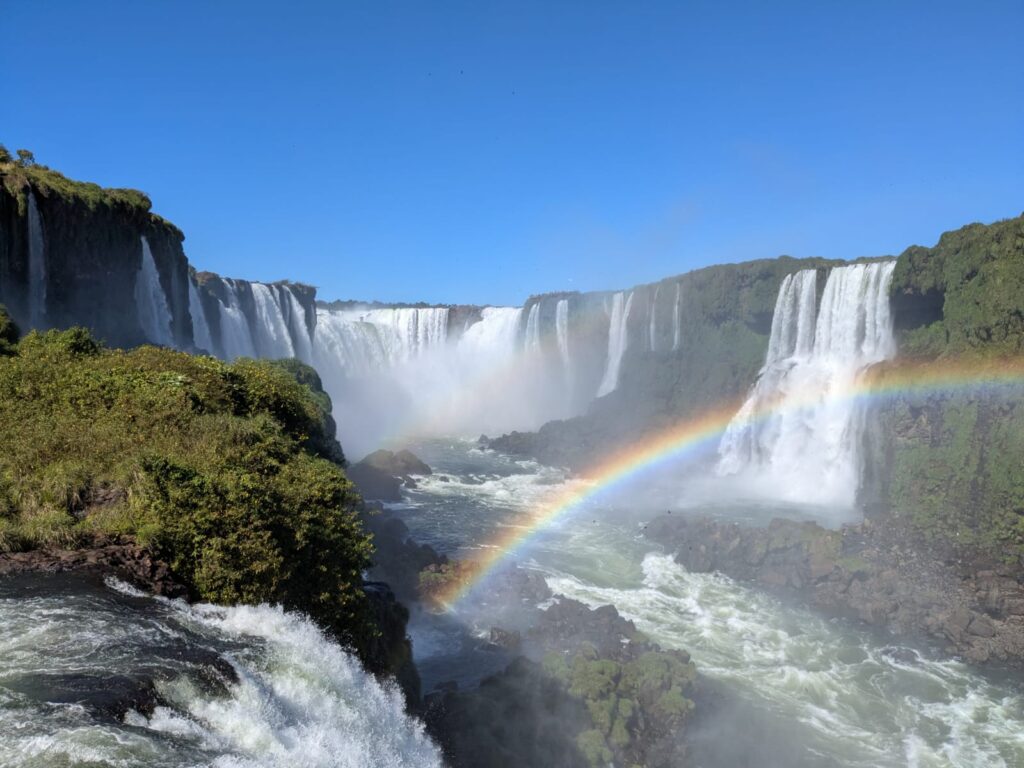
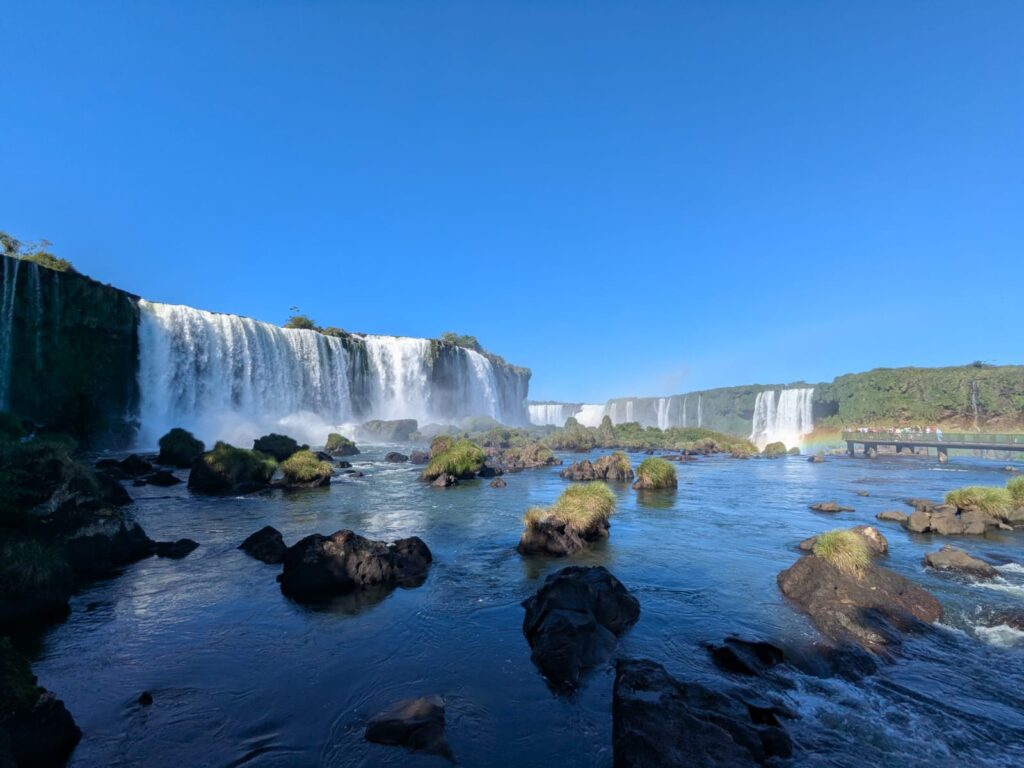
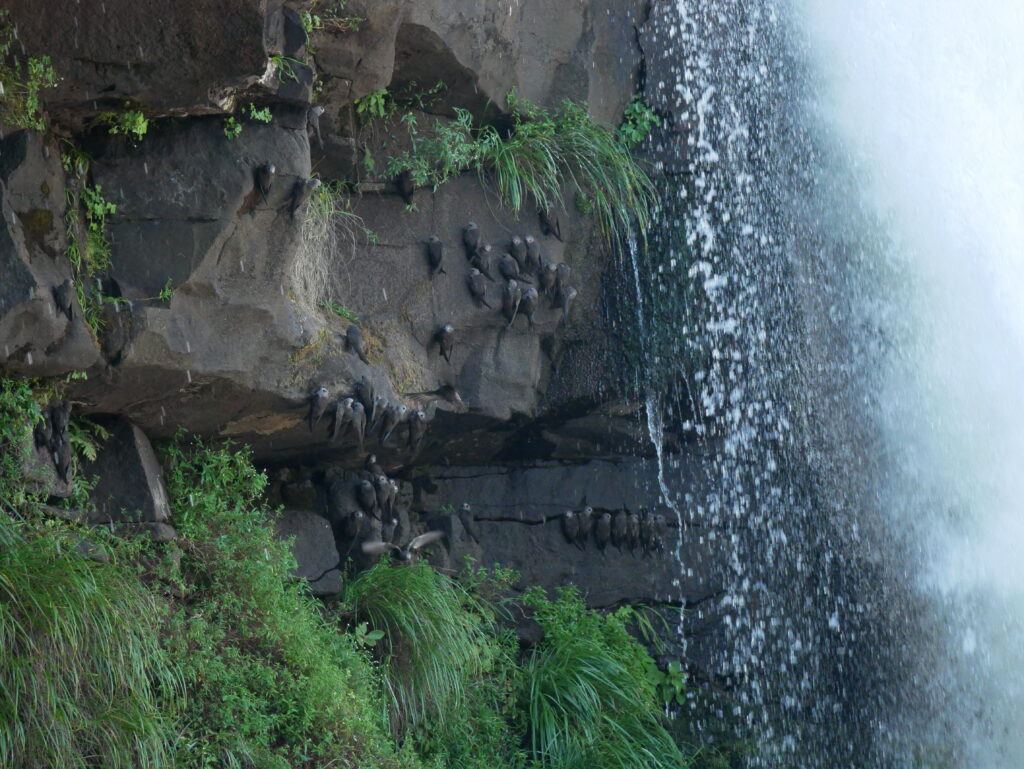
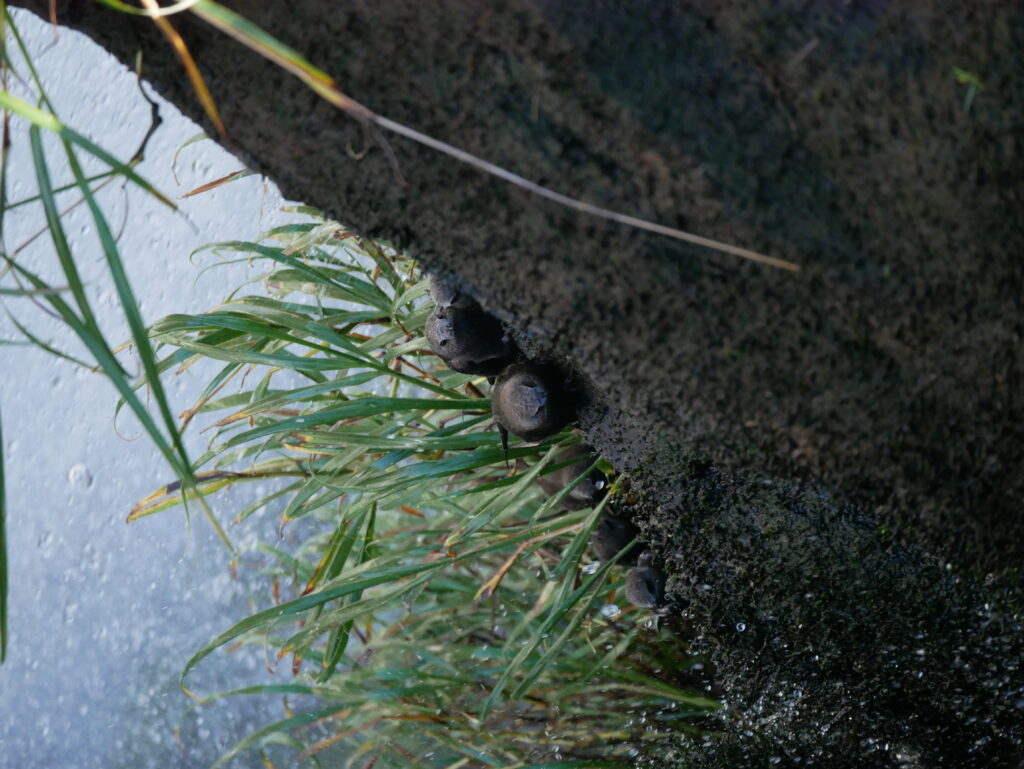
The trail terminates at Devil’s Throat, the most impressive section of waterfalls. They really were awe inspiring and unlike anything that we have seen before. We enjoyed venturing on the walkway through the spray of the water coming from the thundering falls. It was of course busy and we were not the only ones stood admiring and photographing the famous Iguaçu Falls. However, one thing we were admiring that others seemed oblivious to were the adorable great dusky swifts. Rather incredibly, these plucky little swifts perch and build their nests on the cliffs behind the waterfalls, and we very much enjoyed watching them acrobatically fly around and through the cascading water.
After spending time appreciating the power of the falls, taking plenty of photos and enjoying a coconut ice cream, we took the bus back to entrance/visitor centre. We found out on the bus journey that there are other walking and cycling trails within the national park, ranging from 1.3 km to 18 km in length, for which access is included in your admission ticket. We hadn’t done our research or we would have known this before entering! In the end we opted to give these trails a miss, chosing instead to return to our wildlife-rich campsite in the afternoon.
Summary
We had an awesome time visiting the Brazilian side of Iguaçu Falls and spotting wildlife both within the national park and on our campsite. As mentioned, we don’t opt to stay at many paid campsites but we would highly recommend staying at Iguassu Eco Hostel if you are looking for somewhere to spend the night before and/or after visiting the National Park.